Linux, Linux OS, Free Linux Operating System, Linux India Linux, Linux OS,Free Linux Operating System,Linux India supports Linux users in India, Free Software on Linux OS, Linux India helps to growth Linux OS in India
Nilesh Vaghela is an AWS community hero and founder, ElectroMech Corporation, a cloud and open ...
Read More »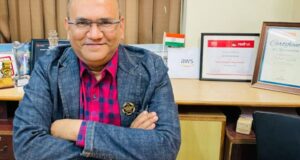
Nilesh Vaghela is an AWS community hero and founder, ElectroMech Corporation, a cloud and open ...
Read More »
Ibrahim F. Haddad Issue #91, November 2001 Ibrahim tests the performance of three open-source webservers ...
Read More »Members of the European Parliament vote tomorrow on the Directive on Copyright. Those in the ...
Read More »
Red Hat is noted for making open source a culture and business model, not just ...
Read More »
SparkyLinux is a Linux distro that can ignite your daily computing experience. Its spark is pushing ...
Read More »The Document Foundation announces the release of LibreOffice 6.2.2. This version “provides over 50 bug ...
Read More »
Grid, a new project from the Linux Foundation, will offer developers tools to create supply ...
Read More »Khronos today released the OpenXR 0.90 provision specification. From the press release: “OpenXR is a ...
Read More »
I’ve been using Linux long enough to remember Linux Mandrake. I recall, at one of ...
Read More »
In the last few years, we have witnessed the unprecedented growth of open source in ...
Read More »
Nilesh Vaghela is an AWS community hero and founder, ElectroMech Corporation, a cloud and open ...
Read More »
Ibrahim F. Haddad Issue #91, November 2001 Ibrahim tests the performance of three open-source webservers ...
Read More »
Brian Gollsneider Mike Martin Issue #90, October 2001 Using Linux and Samba for research on ...
Read More »
Steve Jenkins Issue #90, October 2001 Steve describes a typical aircraft experiment and the open-source ...
Read More »
Eric Rescorla Issue #89, September 2001 Do you have a burning need to build a ...
Read More »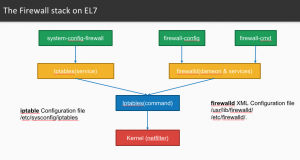
David A. Bandel Issue #89, September 2001 Using Netfilter and ipchains to increase security on ...
Read More »
Rob Beck Issue #89, September 2001 If we do not wish to fight, we can ...
Read More »
Bruce Momjian Issue #88, August 2001 Tweak your hardware to get the most from this ...
Read More »
Best of Technical Support Various Issue #90, October 2001 Our experts answer your technical questions. ...
Read More »
Best of Technical Support Various Issue #89, September 2001 Our experts answer your questions. The ...
Read More »
Best of Technical Support Various Issue #88, August 2001 Our experts answer your technical questions. ...
Read More »
Best of Technical Support Various Issue #87, July 2001 Our experts answer your technical questions. ...
Read More »
Best of Technical Support Various Issue #86, June 2001 Our experts answer your technical questions. ...
Read More »
Wayne Marshall Issue #86, June 2001 Maybe the rush to market for spreading internet access ...
Read More »
Best of Technical Support Various Issue #85, May 2001 Our experts answer your technical questions. ...
Read More »
Best of Technical Support Various Issue #84, April 2001 Our experts answer your technical questions. ...
Read More »
Best of Technical Support Various Issue #90, October 2001 Our experts answer your technical questions. ...
Read More »


Nilesh Vaghela is an AWS community hero and founder, ElectroMech Corporation, a cloud and open ...
Read More »


In this blog we will discuss about Linux directories for new Linux users coming from ...
Read More »